

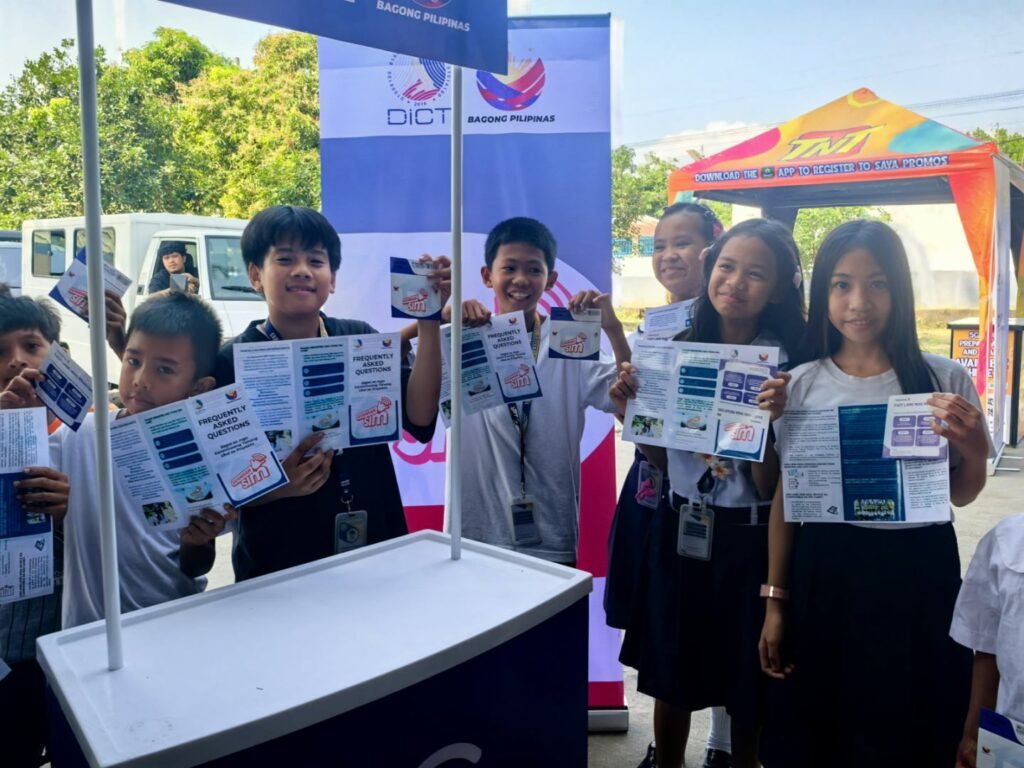
TARLAC CITY — A total of 1,927 free SIM cards were distributed to elementary and high school students in Capas, Tarlac under the Bayanihan SIM Card Distribution Program of the Department of Information and Communications Technology (DICT).
Through the initiative of the DICT Central Luzon, in partnership with the local government of Capas, the SIM card distribution aims to provide internet connectivity to students in geographically isolated and disadvantaged areas (GIDAs).
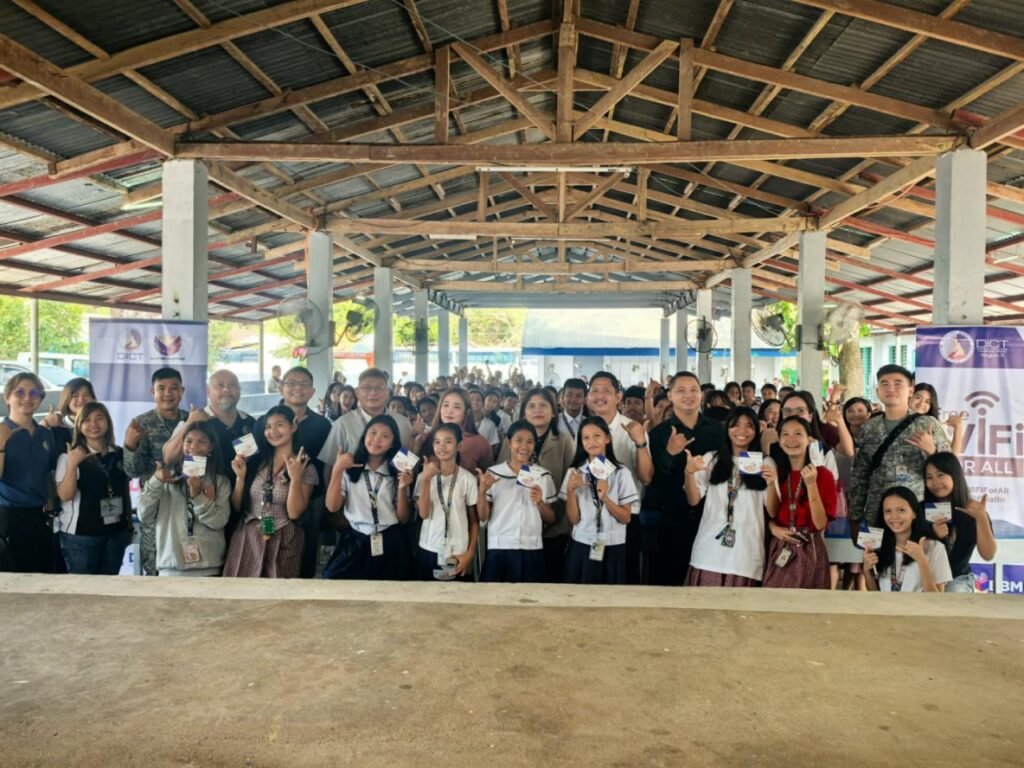
DICT Tarlac Provincial Head Edwin Mendoza said the program was launched to address the growing need for digital connectivity and to ensure inclusivity in the country’s digital transformation.
“Sa ilalim ng Digital Bayanihan, tinitiyak ng DICT na walang iwanan sa digital transformation ng bansa—saan ka man naroroon, ikaw ay makokonekta. (Under the Digital Bayanihan, the DICT ensures that no one is left behind in the country’s digital transformation—wherever you are, you can connect),” he pressed.
Each SIM card includes 25GB of free mobile data valid for 12 months, providing the beneficiaries with sustained internet connectivity to support the educational, communication, and other essential digital services of the learners.
During the distribution, 925 SIM cards were given to learners from Sta. Juliana Elementary School, while 550 SIM cards were distributed in Sta. Juliana High School.
Meanwhile, 452 SIM cards were received by Maruglu Elementary School.
DICT Tarlac Provincial Engineer Paulo Landicho also equipped the beneficiaries with a technical session on the proper, safe, and responsible use of SIM cards and mobile data to ensure their readiness on using the SIM cards prior to the distribution.
Mendoza explained that beneficiaries of the program include residents of GIDAs, beneficiaries of the Pantawid Pamilyang Pilipino Program, individuals experiencing limited internet access, and those who rely on SIM cards to connect to online services.
He also underscored that the successful implementation was made possible with the help of the Department of Education, Department of Social Welfare and Development, school administrators, barangay officials, and other local stakeholders to ensure the orderly, safe, and effective distribution of SIM cards.
To assess the program’s impact, the DICT conducts quarterly evaluations, which include gathering feedback from students and teachers to determine the program’s contribution to the teaching and learning process.