

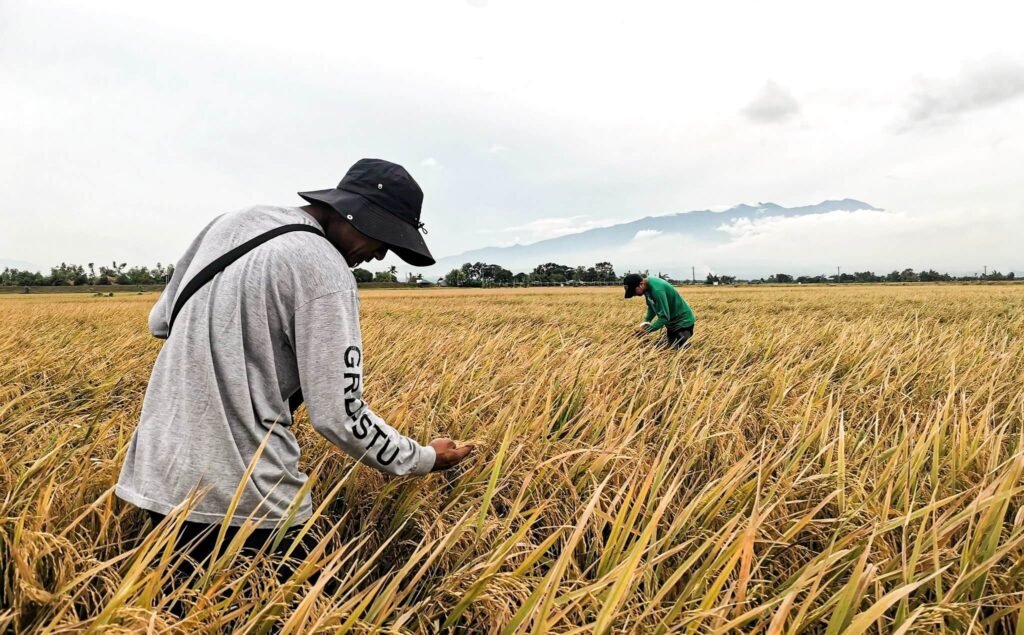
SCIENCE CITY OF MUÑOZ — A genomics research initiative is uncovering valuable traits in Philippine traditional rice varieties (TRVs) that could help develop climate-resilient and nutritious rice for farmers.
The 1,001 Philippine Rice Genome (1k1RG) Program, led by the Philippine Rice Research Institute (PhilRice) and the University of the Philippines Los Baños, aims to decode the genomes of 1,001 Philippine TRVs to identify useful traits for rice breeding.
PhilRice project lead Loida Perez said screening for herbicide tolerance among the selected varieties is ongoing, about half of the traditional rice lines have been evaluated so far.
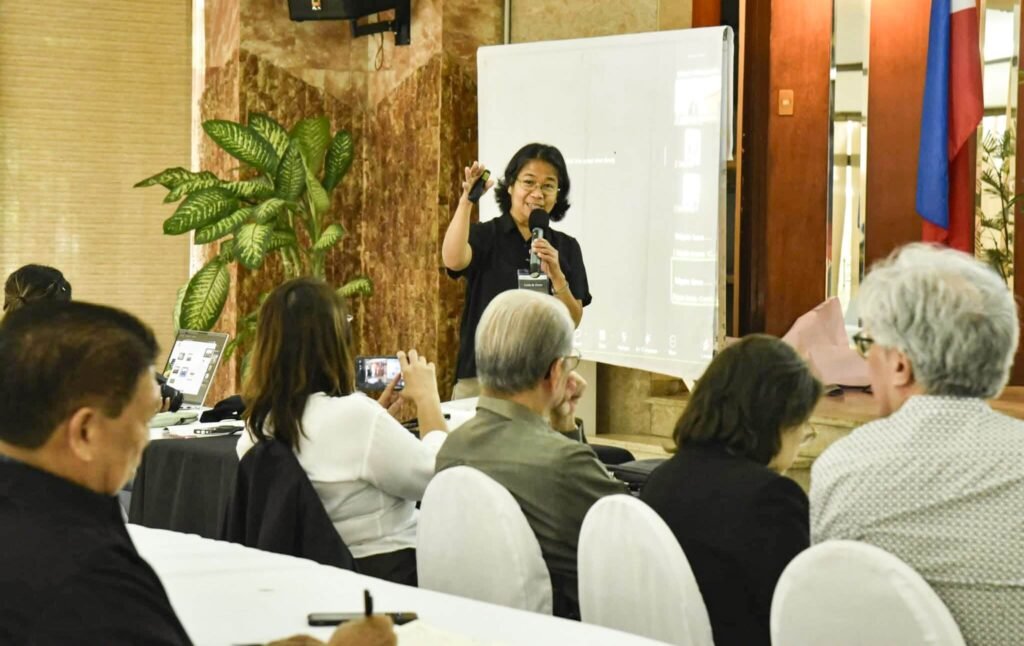
“Many of our traditional varieties are valued for their unique qualities but remain underutilized because of production constraints. By combining phenotyping, genetic mapping, and whole genome sequencing, new gene sources and genomic regions will be identified from these varieties that could be used in future rice breeding programs,” Perez disclosed.
Researchers have already identified three TRVs that mature in less than 100 days based on dry season data—an important trait that allows farmers to harvest earlier and reduce potential crop losses caused by drought, typhoons, and other extreme weather events.
Early findings also show that 22 TRVs demonstrate strong germination under flooded conditions, with at least a 95 percent germination rate.
This characteristic can help farmers establish crops even when fields are waterlogged after heavy rains.
Scientists are also analyzing the nutritional content of these heirloom rice varieties, including zinc, iron, protein, essential amino acids, and phytic acid levels, which could support developing rice varieties that improve nutrition for Filipino households.
The initiative comprises two complementary projects: Traditional Rice Phenotypes and Trait Genetic Mapping, and Mining the Diversity of Philippine Traditional Rice Varieties.
New York University professor and Philippine-American Academy of Science and Engineering board member Michael Purugganan said the initiative combines advanced genomics with traditional knowledge to develop climate-resilient, nutritious, and high-performing rice varieties for Filipino farmers.
Once completed, the research is expected to guide rice breeding programs in developing improved rice varieties that can sustain production, reduce farming risks, and strengthen food security for communities across the country.