

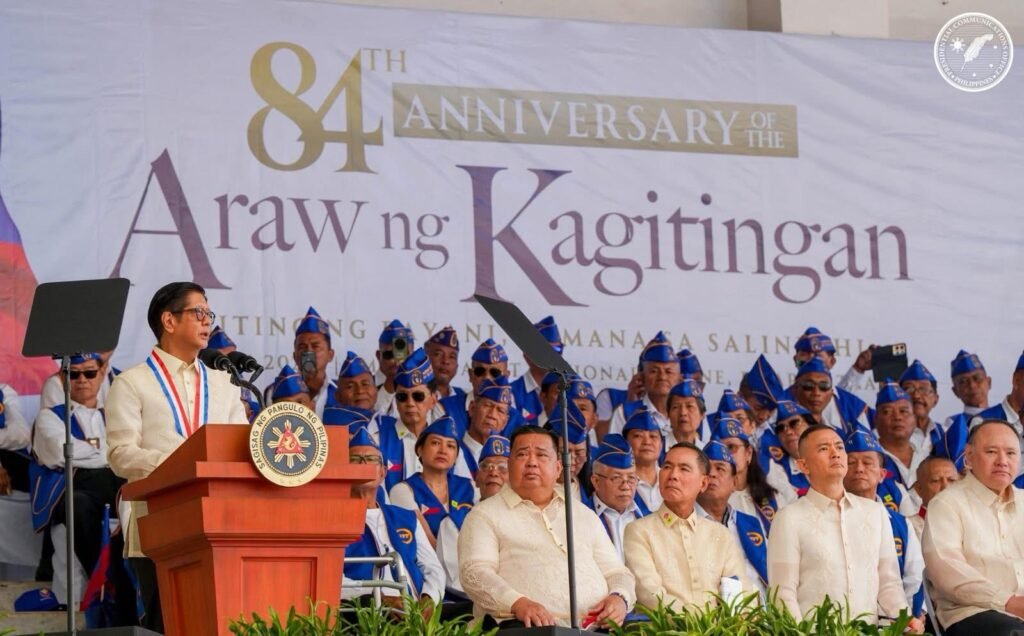
On the hallowed grounds of the Mt. Samat National Shrine in Pilar, Bataan, where memory and meaning meet every Araw ng Kagitingan, one message rang clear during the 84th commemoration: the heroism of the past must continue to shape the duty of the present.
As the nation honored the courage of Filipino and Allied forces who stood their ground in Bataan 84 years ago, the voices of veterans and young Filipinos gave the observance a living and urgent meaning.
Their words echoed President Ferdinand R. Marcos Jr.’s call not only to remember sacrifice, but to translate remembrance into care, service, and shared nation-building.
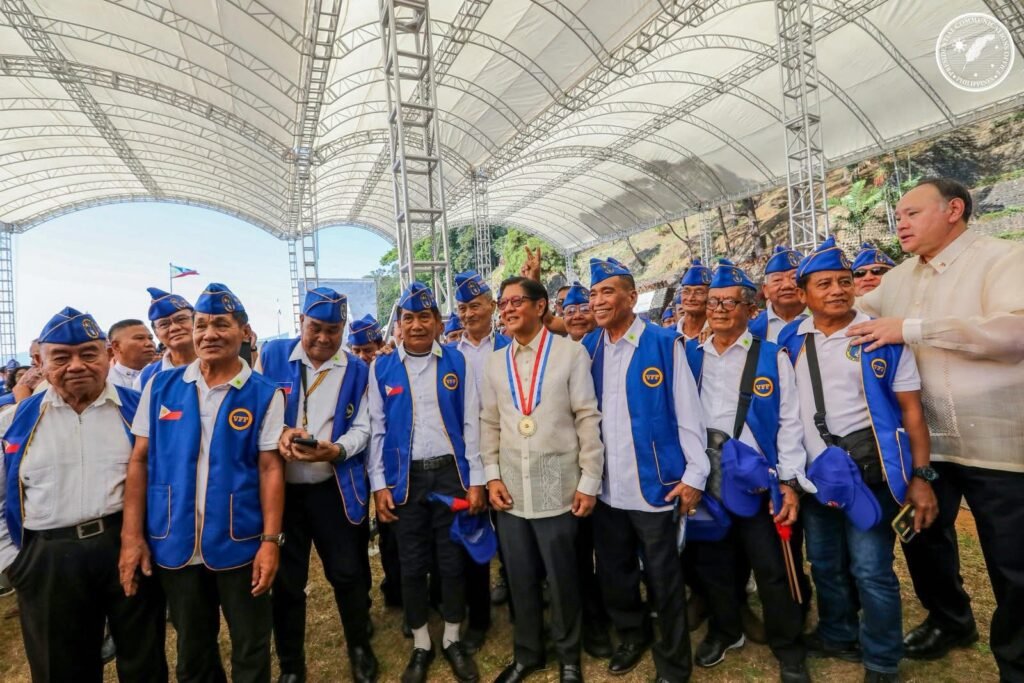
For post-war veterans who continue to bear the weight of service, the commemoration was also a reminder that honoring heroism must include concrete support.
For the youth, it became a moment to understand that valor is not confined to history books, but remains a guide for citizenship, discipline, and love of country.
In his message, President Marcos said the country must ensure that heroes receive the care and support they deserve, stressing that remembrance also carries a responsibility to act in the present.
Care for those who served
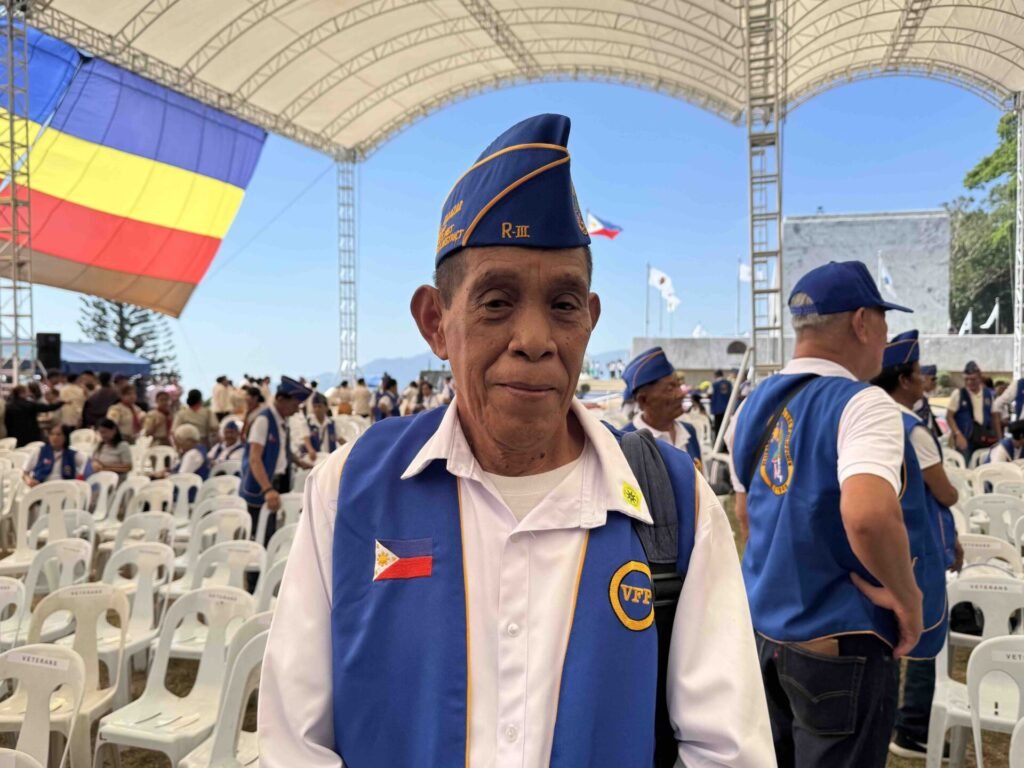
For 74-year-old post-war veteran Aurelio L. Ellazar of Meycauayan, Bulacan, the President’s message resonated because the benefits being discussed are not just promises but services already felt by veterans.
“Nakakatuwa yon at totoo ang lahat ng sinabi niya na mayroon nang mga medical facilities at mga benefits. Naramdaman namin. Naramdaman namin lahat ng sinabi niya. Hanggang ngayon ongoing ang mga benefits na yan na ibinibigay para sa aming mga beterano,” Ellazar said.
His appeal was simple and deeply human: support for aging veterans must continue and, if possible, expand as their needs increase.
“Sa ating kagalang-galang na Pangulo, sana po palagi kayong malusog at malakas ang pangangatawan at huwag niyo po kaming pabayaan sa mga benefits namin at sana madagdagan pa tumatanda kami,” he added.
President Marcos outlined several measures his administration has pursued for veterans, particularly in health and social protection.
The government continues to work with the Philippine Veterans Affairs Office to establish veterans hospitals in the Visayas and Mindanao to make healthcare more accessible.
He also highlighted the Veterans Access to Lifetime Optimized Healthcare Clinic, while continuing programs such as the Veterans Hospitalization and Medical Care Program, which benefited more than 2,630 veterans and their dependents last year.
Veterans wards have also been constructed in select government hospitals.
For 65-year-old post-war veteran Federico Labiano Jr. of Camiling, Tarlac, these interventions matter because they respond to real needs as veterans grow older.
“Yung binibigay sa atin ng gobyerno, lalong-lalo itong Veterans Federation of the Philippines, mayroong mga ibinibigay na mga medical assistance at saka yung death assistance. Yung mga binanggit naman ni Pangulong Ferdinand R. Marcos Jr., yun ay nagbigay din ng moral sa aming mga beteranong nabubuhay pa at napakalaking tulong sa amin ng mga benepisyong aming natatanggap,” Labiano said.
The President also reported that an average of 146,896 pensioners receive monthly benefits, while Republic Act No. 11958 has increased disability pension rates for those who have borne the cost of service in their very bodies.
These programs reflect the administration’s effort to move commemoration beyond ceremony into sustained public service for those who once served the nation in uniform.
Passing on the meaning of service
If the veterans spoke from memory, the youth spoke from inheritance.
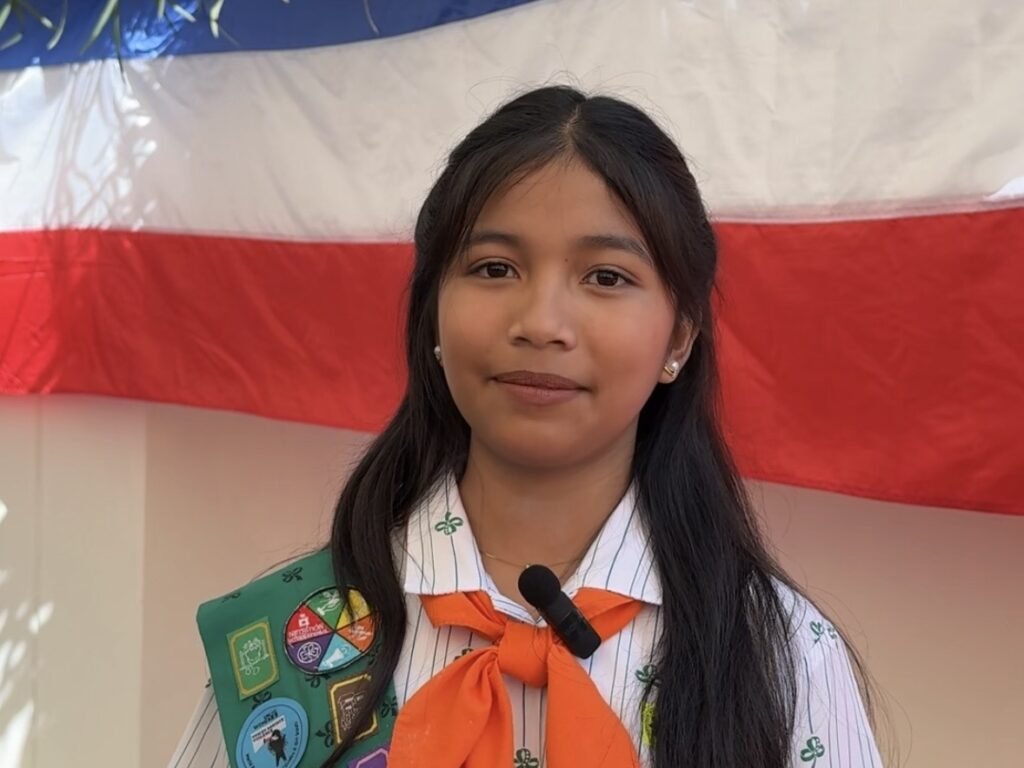
Among those present at the shrine was 14-year-old Girl Scout Feb Jancelle Sapitanan of Mariveles National High School–Alasasin, who said young Filipinos owe much to the sacrifices of those who defended the country.
“Sa mga sakripisyo po ng mga veterans natin, sobrang po akong nagpapasalamat sa kanila kasi hindi naman po tayo dadating sa ganito kung hindi po sila nag-sacrifice para sa atin at kung hindi po nila tayo dinepensahan. Kaming mga kabataan thankful po talaga kami sa mga taong lumaban para po sa Pilipinas,” she said.
For Sapitanan, the legacy of veterans lies not only in their wartime courage, but also in the values they leave behind for the next generation.
“Ang inspirasyong nakuha namin sa mga veterans po natin ay maging matatag po palagi at palaging unahin ang pagiging mabuti at palagi pong unahin ang kapakanan ng iba at hindi lamang po para sa ating mga sarili,” she added.
Ellazar also underscored the importance of historical consciousness among the youth, urging them to understand how soldiers defended the country and to remain courageous in facing life’s challenges.
Labiano framed service to the country as a calling that demands character and discipline.
“Sa mga kabataan po ngayon, kung nais po nilang maglingkod at magserbisyo sa ating bansa dapat mayroon kang paninindigan, tapang, at saka disiplinado para yung serbisyo mo ay magampanan mo ng maayos. Dapat mayroon kang dedikasyon sa iyong serbisyo,” he said.
President Marcos’ speech affirmed this intergenerational message. He described veterans as living witnesses to history and enduring symbols of what it means to serve something greater than yourself.
He reminded the nation that the story of Bataan remains a cornerstone of national identity and a guiding light for generations to come.
The President also highlighted that 973 scholars have received educational assistance, showing that support for veterans extends to the next generation.
A legacy that speaks to the nation and the world
This year’s commemoration carried broader international significance.
United States Embassy Deputy Chief of Mission Robert Ewing highlighted the shared sacrifice of Filipino and American forces in Bataan and the enduring alliance for peace and stability in the Indo-Pacific.
Japanese Ambassador Endo Kazuya said that Japan, the Philippines, and the United States, once divided by the tides of history, now stand together as allies and partners.
He paid tribute to veterans and emphasized the responsibility of the present generation to carry their legacy forward through lasting peace, stability, and shared prosperity.
Their presence reinforced that the lessons of Bataan go beyond remembrance, they speak to solidarity, peace, and the duty of nations to uphold freedom and human dignity.
For President Marcos, this spirit must guide Filipinos through present-day challenges, from economic pressures to global tensions.
In his Filipino remarks, he stressed the importance of pakikipagkapwa, compassion, and collective responsibility, saying national progress depends on how people face trials and rise together.
For veterans, remembrance means ensuring that service is matched by care.
For the youth, remembrance means turning gratitude into purpose.
For the nation, remembrance means carrying forward the courage of Bataan not only in words, but in daily work to build a stronger, more united, and more compassionate Philippines.
In Bataan, the meeting of generations reminded the nation that heroism is not only remembered but lived through service, compassion, and unity.