

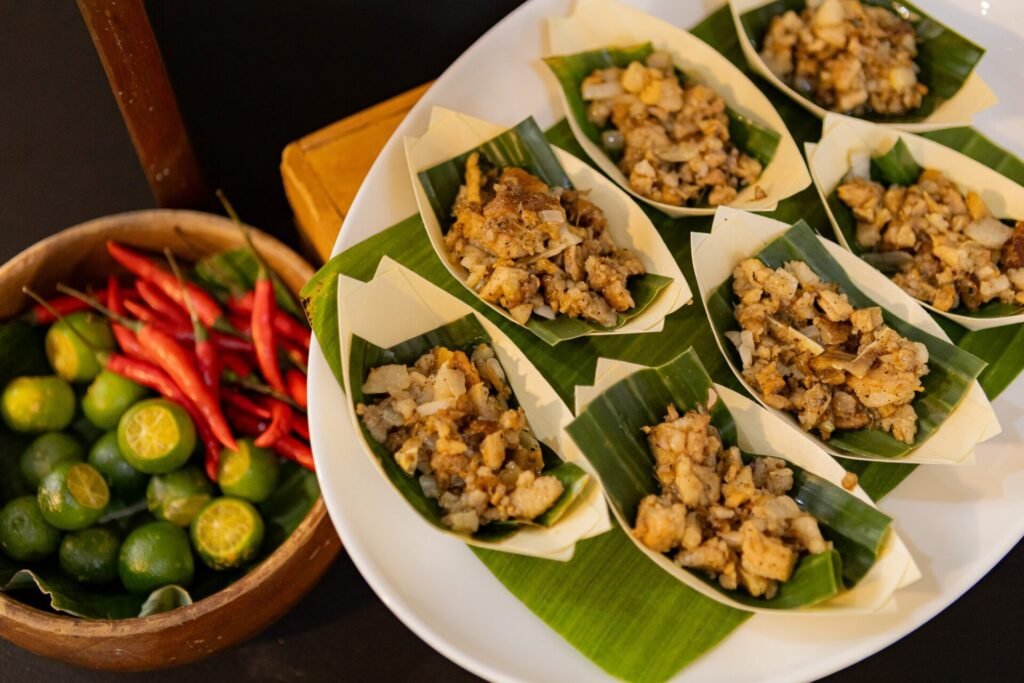
In Central Luzon, food is more than what is served on the table. It is a story of people, place, and opportunity.
This was the message at Food Talks 2026, where the Department of Tourism (DOT) Region III brought together stakeholders, experts, and young learners to explore how Filipino cuisine can drive tourism, strengthen cultural identity, and support inclusive growth.
For DOT Regional Director Richard Daenos, food carries meaning far beyond nourishment.
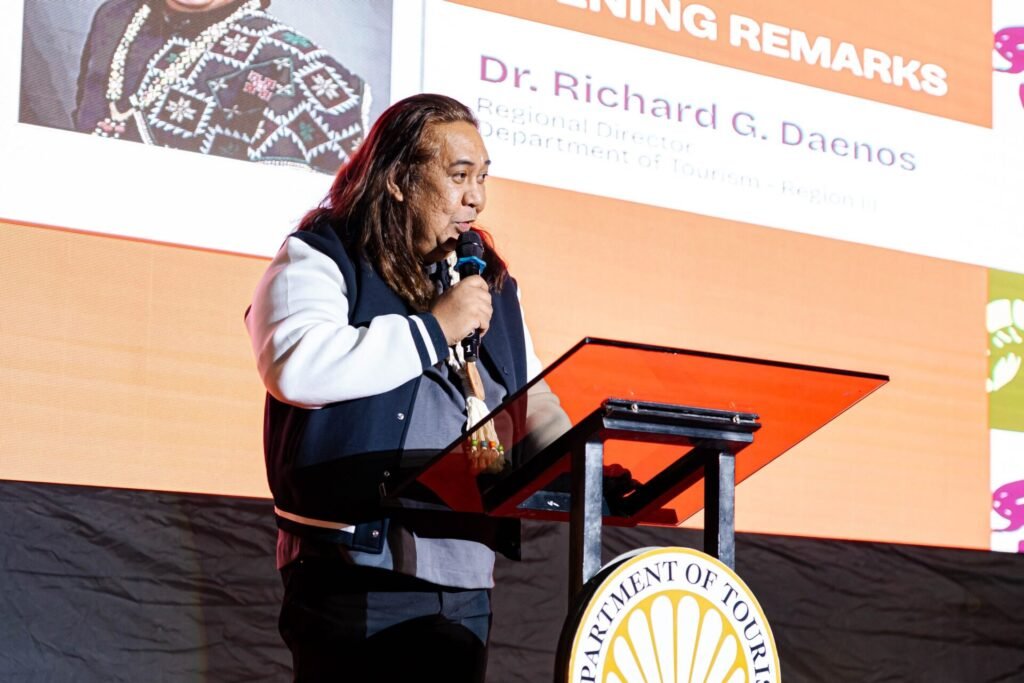
“Food, in its essence, transcends sustenance. It is at once physical nourishment, cultural expression, preserving identity and heritage, a social connector, and a driver of creativity and innovation,” he said.
Daenos cited that every dish reflects the journey of communities from the land where ingredients are sourced, to the people who prepare and share them.
“Every dish tells a story of land and labor, of tradition and transformation, of people, and of place,” he added.
From cultural heritage to economic opportunity
With the theme ‘Connected Flavors, Shared Stories: Kain. Kwento. Kultura,’ the forum underscored how gastronomy bridges culture and economic development by linking farmers, food producers, and tourism stakeholders.
Discussions put a spotlight on the importance of connecting agriculture and tourism through policy frameworks, enabling local food systems to support both food security and visitor experiences.
Experts also cited the growing role of micro, small, and medium enterprises (MSMEs) in shaping the region’s culinary landscape, providing jobs while preserving traditional knowledge.
Participants emphasized that food is not only a cultural asset but also a competitive advantage. Research, documentation, and media storytelling, can position local cuisines in wider markets, helping elevate Central Luzon as a gastronomy destination.
“In Central Luzon, our culinary heritage is deeply rooted in history, yet continuously evolving, shaped by the resilience and ingenuity of our communities,” Daenos said.
Inclusive tourism ensures shared benefits
Beyond promotion, officials stressed that tourism development must translate into real opportunities for communities.
Angeles City Vice Mayor Amos Rivera highlighted that food tourism supports a wide network of livelihoods ranging from farmers and market vendors to transport workers and tour guides. He added that this makes inclusion essential in policy and implementation.
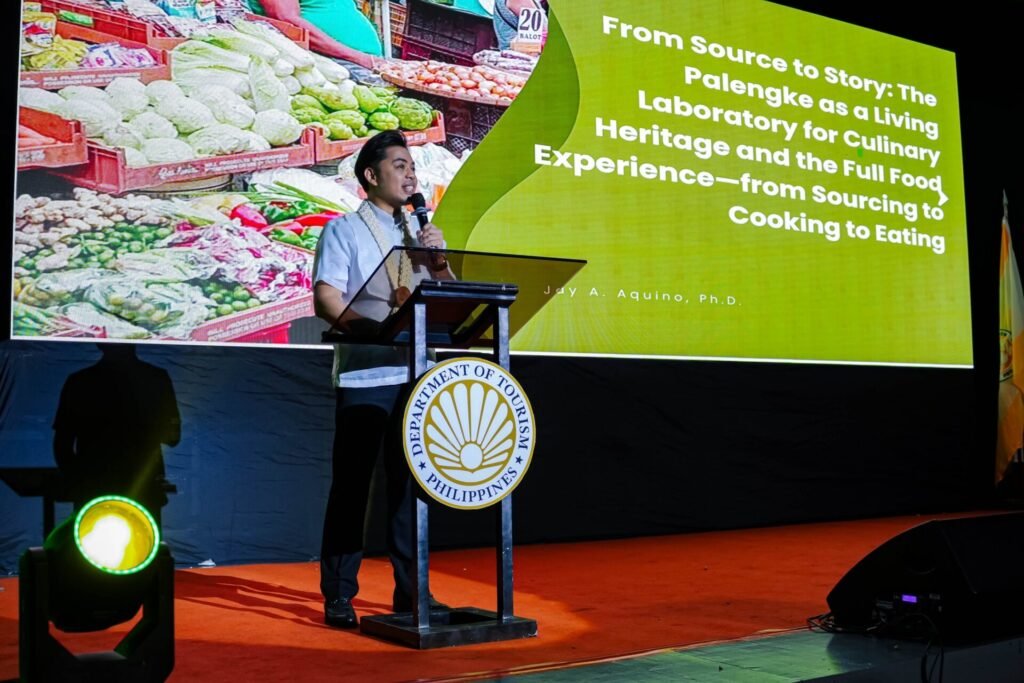
“We are talking here of the livelihood of local farmers, vendors in the palengke, drivers, tourist guides… it has to be an inclusive group,” Rivera said.
He likewise pointed out that awareness and participation at the grassroots level remain critical, noting that local stakeholders must be actively involved in tourism initiatives to fully benefit from them.
At the same time, the vice mayor noted the importance of sustaining these efforts by engaging younger generations.
“At the end of the day, it is about accepting what we can offer to the world…if what we discuss today will not be passed on to the next generation, it will die a natural death,” he added.
Bayanihan sustains culture and future growth
During the discussions, collaboration emerged as a central theme in advancing the region’s culinary agenda.
Rivera said that collective action or bayanihan remains key to ensuring that food tourism continues to grow while preserving identity and benefiting communities.
“At the end of the day, the operative word is bayanihan. If we work together and include all stakeholders, anything is possible,” he said.
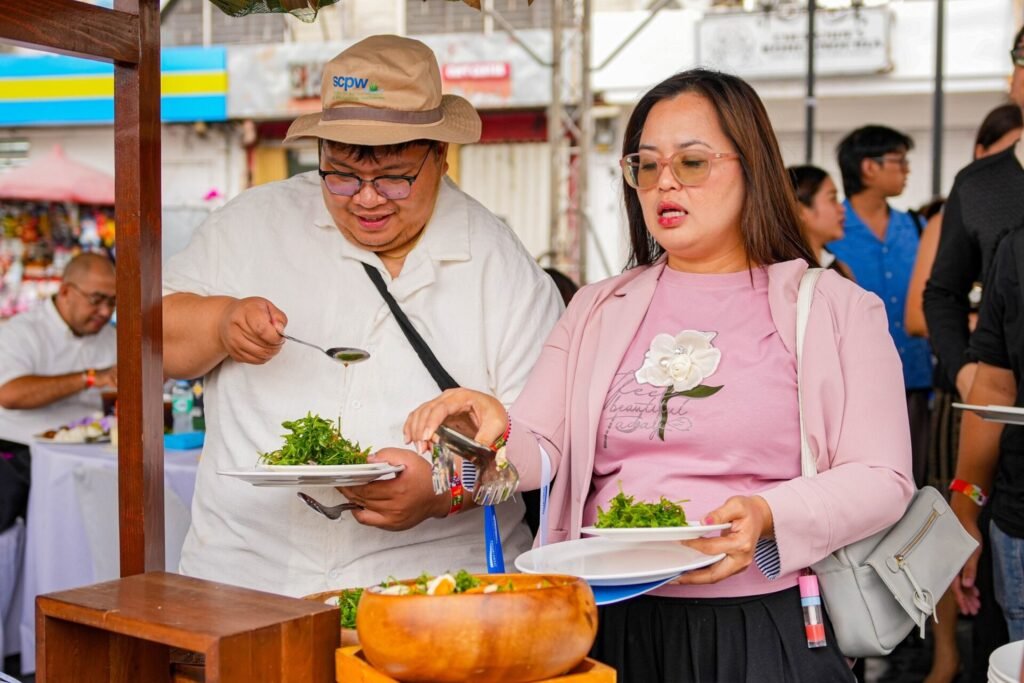
Through initiatives like Food Talks, DOT Central Luzon continues to promote gastronomy not only as a tourism product but as a platform for cultural preservation, community empowerment, and sustainable development.
In every shared meal, participants noted, there is more than flavor—there is a story, a livelihood, and a future shaped by collective effort.